
Rebuilding the Haitian State blòk pa blòk, on a clear contract between citizens and those who govern.
In 88 articles, the Blòk pa Blòk Social Contract sets out what the State must guarantee, how it must do so, and to whom it must answer. It builds on the 1987 Constitution as amended and proposes the laws, budgets and projects needed to apply it.
Quick access
- Read the 88 articlesThe full text of the Social Contract
- Sign the Social ContractAdd your name to the signatories
- Propose a projectSubmit a project for your municipality
- Join the movementCo-author, sponsor, adviser, promoter
- Diaspora networkPut your skills to work for Haiti
- Official correspondenceThe letters sent to institutions
What the new Social Contract rests on
Every Blòk pa Blòk proposal is tied to one of these five pillars. None of them stands without the others.
Security
Protect life, property and freedom of movement, with security forces bound by the law.
Democratic legitimacy
Power that comes from credible elections, limited in time and subject to checks.
Justice
An independent, funded and accessible justice system that judges without exception.
Transparency
Publish budgets, contracts and decisions; make every expense traceable.
Territorial development
Municipalities with powers, resources and productive projects.
What the State owes every citizen
Six verbs, in Kreyòl, that bind every public institution, from the communal section to the Presidency.
The life and rights of every citizen.
A public service that works, everywhere.
Budgets, contracts, decisions and results.
Give public reasons for every decision.
Admit mistakes and put them right.
Answer for one's actions before citizens and judges.
Blòk pa Blòk on one page
The diagnosis
Haiti lacks neither laws nor institutions. What it lacks is a pact that obliges those who govern to protect, to serve and to be accountable. Insecurity, power concentrated in the executive, a judiciary without a budget of its own, oversight bodies under government supervision, municipalities without resources: these weaknesses reinforce one another.
Our response
- A Social Contract of 88 articles in 8 titles, aligned with the 1987 Constitution as amended, which defines the obligations of the State.
- A Charter that sums up these obligations in simple principles.
- Draft organic laws to give the oversight institutions and the judiciary real autonomy.
- Costed projects: justice, security, elections, electricity, tourism, land, municipalities.
- Public analyses that check every decision of the State against the Constitution and the Social Contract.
Our method
Propose, verify, publish, correct. Every document is dated, sourced and open to criticism. Block by block, without waiting for everything to be perfect before starting.
“No public spending without a trace. No public contract without someone responsible. No one responsible without a duty to answer for it.”
Transparency principle of the Social ContractThe architecture of the Social Contract
Click a block to see its objectives, the laws that implement it and the projects linked to it.
Public security and defense
Restore the State's authority over its territory and protect those who protect.
Democratic legitimacy and elections
Return power to the ballot box, on a known timetable and with rules applied to everyone.
Separation and balance of powers
Prevent the concentration of power and restore mutual checks among the three branches.
Independent justice
A judiciary that has its own budget and judges without depending on the executive.
Transparency and the fight against corruption
No spending without a trace, no contract without someone responsible, no one responsible without accountability.
Decentralization and municipalities
Make the municipality the first level of the State, with powers and resources.
Land, taxation and public finance
Secure property rights and broaden the own revenue of the State and the municipalities.
Development, infrastructure and services
Create production, jobs and reliable public services in every region.
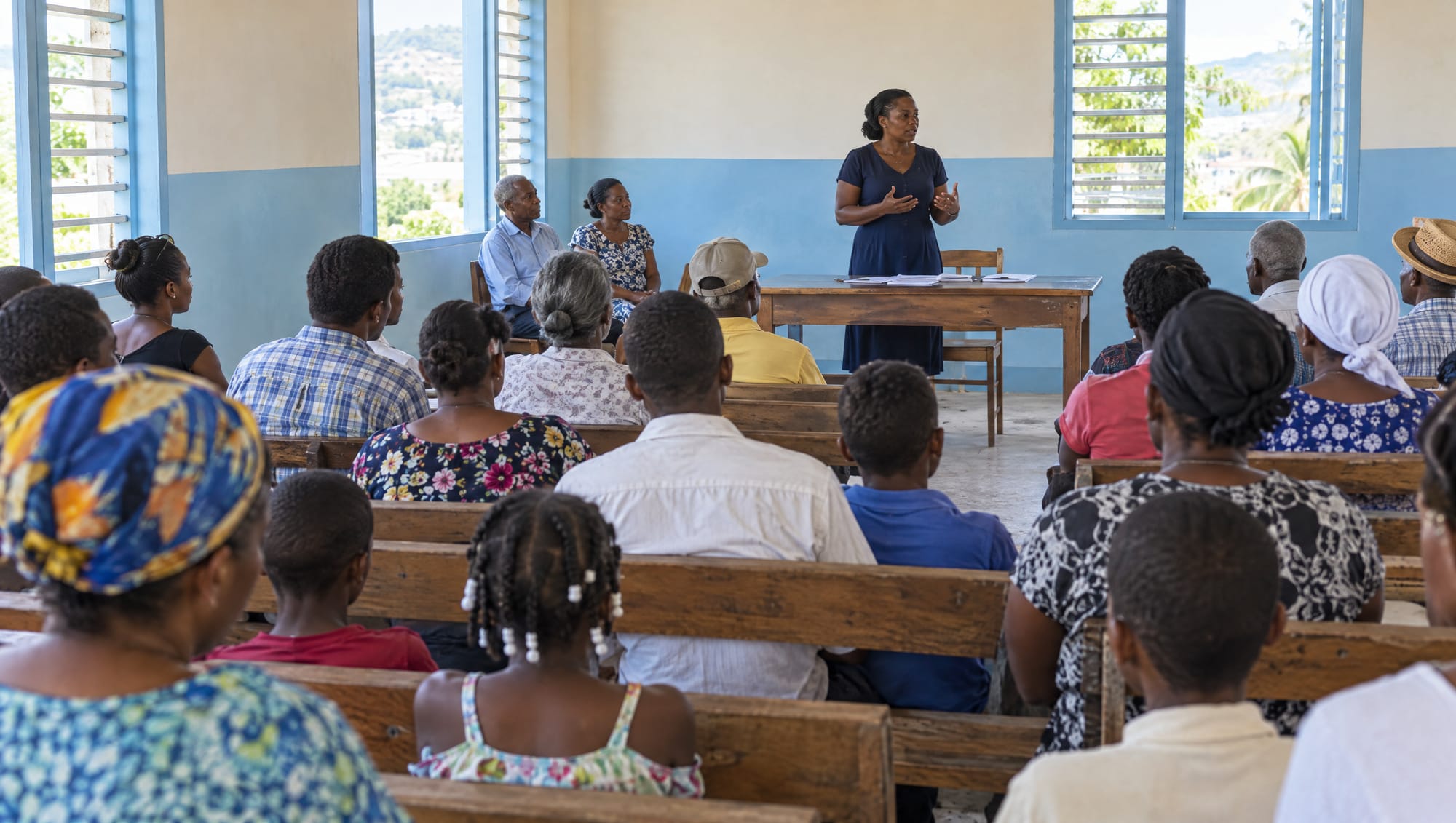
A democracy built municipality by municipality
Citizens' assemblies, pilot municipalities, projects proposed by residents: the Social Contract is discussed and put into practice first where people live.
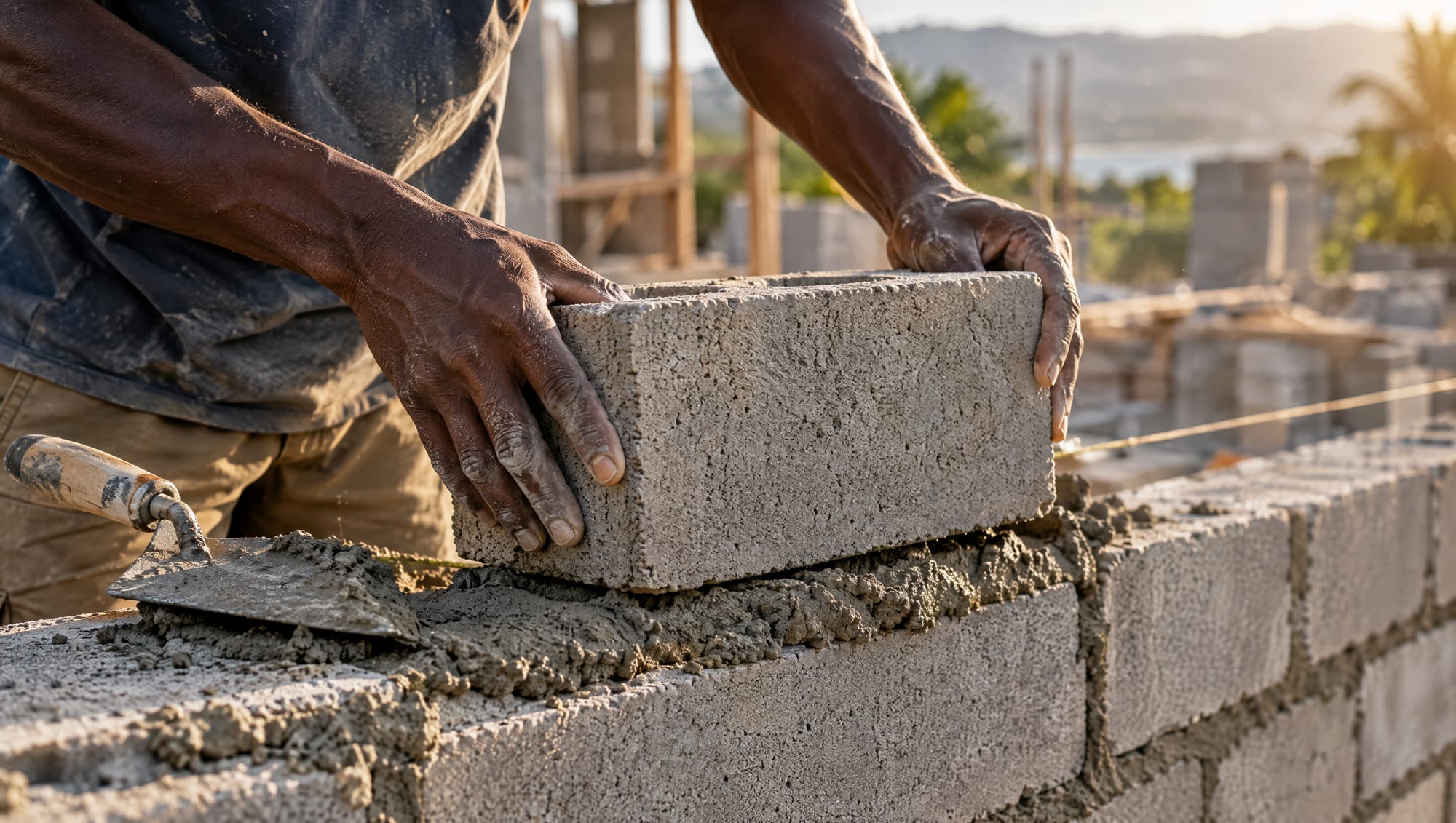
The next block could be yours.
Co-author, sponsor, technical adviser, promoter or sister organization: join the movement and contribute to the Social Contract.